
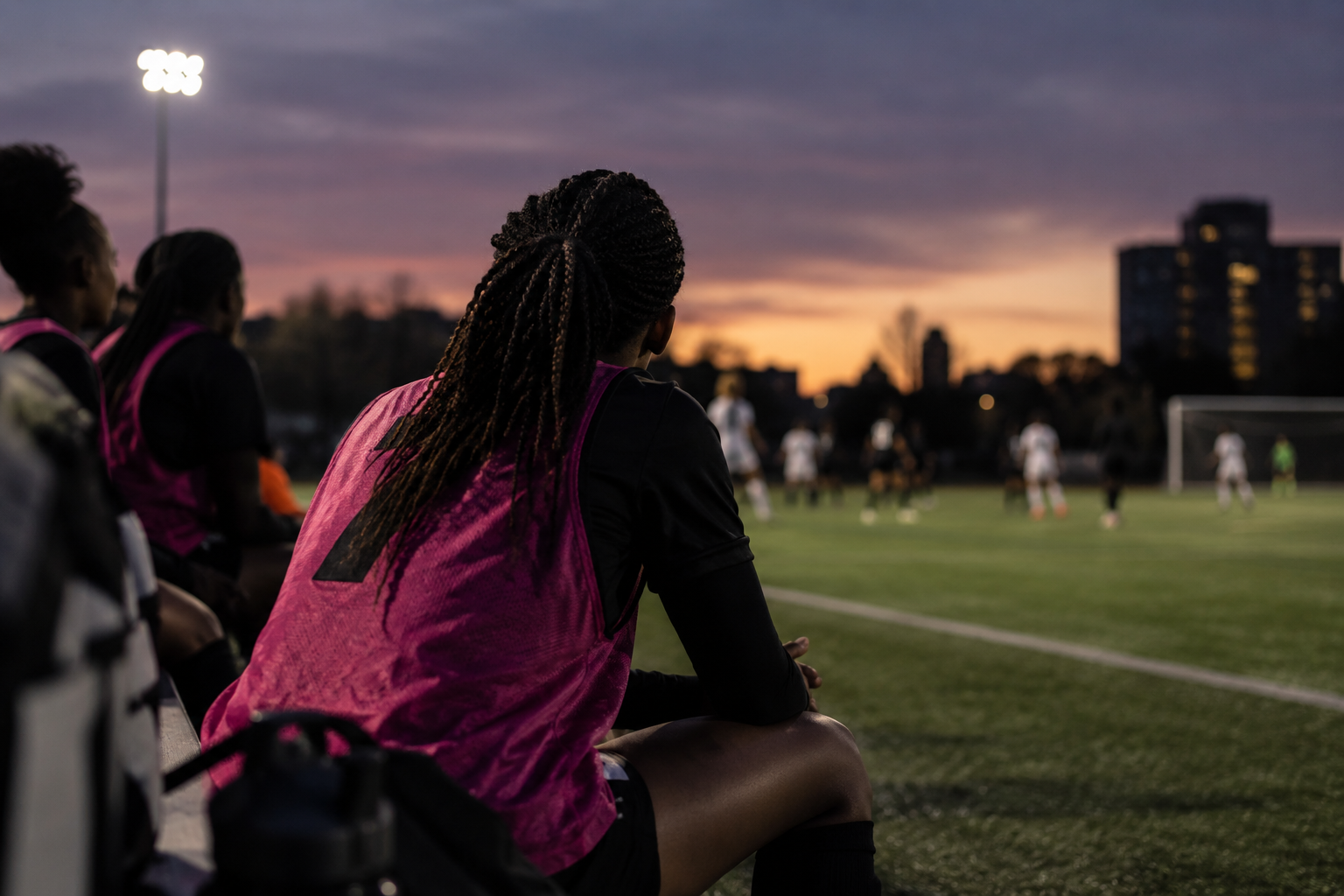
What Precedes Selection? Access and Advocacy in Athlete Pathways to Post-Secondary Sport
And when athletes have to advocate their way through a gate, what do they carry with them once they are on the other side?
Perhaps a heightened awareness of who has power. A need to keep proving they belong. A sharper sense of how quickly opportunity can depend on someone else’s perception of their value.
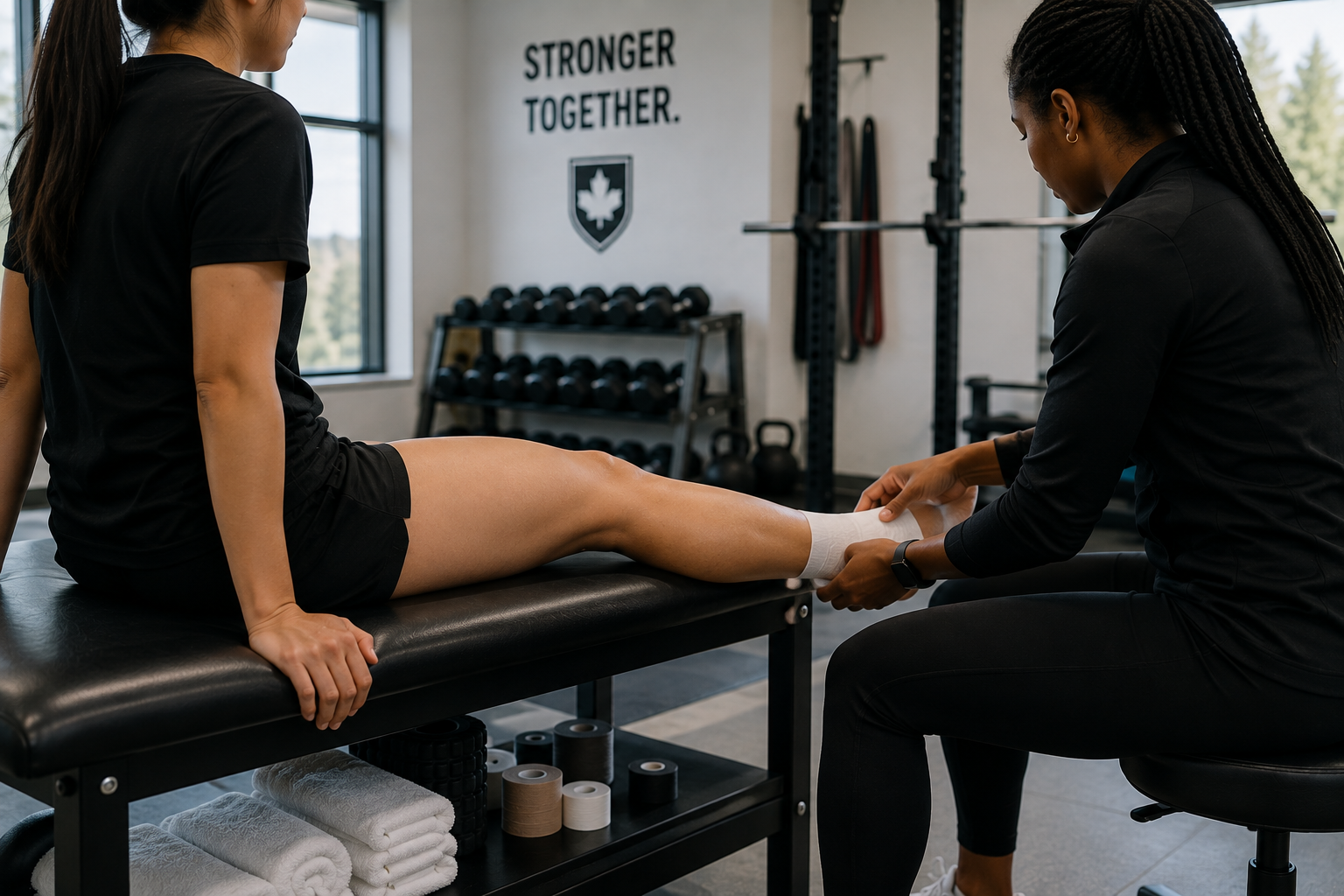
Where Does Mental Health Belong in Post-Secondary Sport Medicine?
There may be value in situating a mental health professional within the Athletics & Recreation clinical team, alongside the professionals already supporting student-athlete health, while maintaining a meaningful connection to the university’s broader mental health infrastructure.
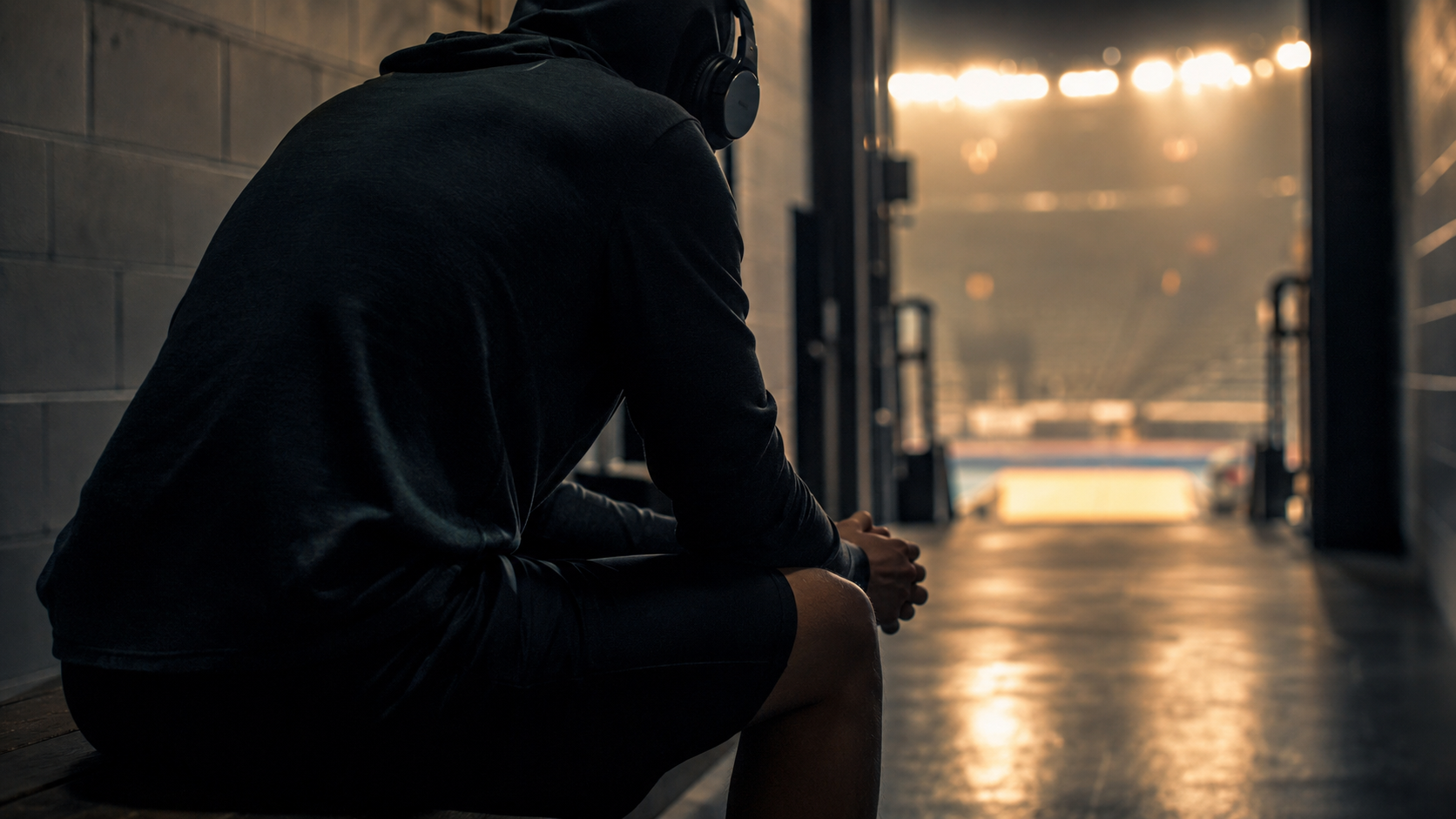
Athletes Cannot Out-Cope a Harmful Sport Culture
The athletes most vulnerable within sport do not need to be taught how to tolerate more. They need environments that expose them to less harm — and care that understands who they are and what they're up against.
After the Break
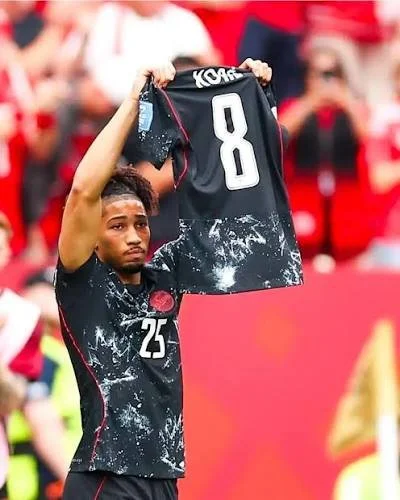
Nathan Saliba came on as Koné's replacement. He scored within minutes. He didn't celebrate. He ran to the bench, picked up the empty number 8 jersey, and held it up. Rituals like this let a team grieve without stopping. Holding up that jersey wasn't only about honouring Koné. It was, in a way, permission — for everyone on that pitch — to keep playing.
Original photo: Fran Santiago/Getty Images via CBC Sports/RCI.

The Complexity of Hiring for Athletics & Recreation Leadership Roles: What Job Postings Leave Unsaid
When Athletics and Recreation departments bundle high-performance sport credentials alongside student-athlete experience competencies into one role, they are not just describing a complex job. They are, often unintentionally, building a hierarchy into the posting before a single application has been received. This piece explores what that means — for hiring committees, for diverse candidates, and for the student-athletes they are ultimately hired to serve.
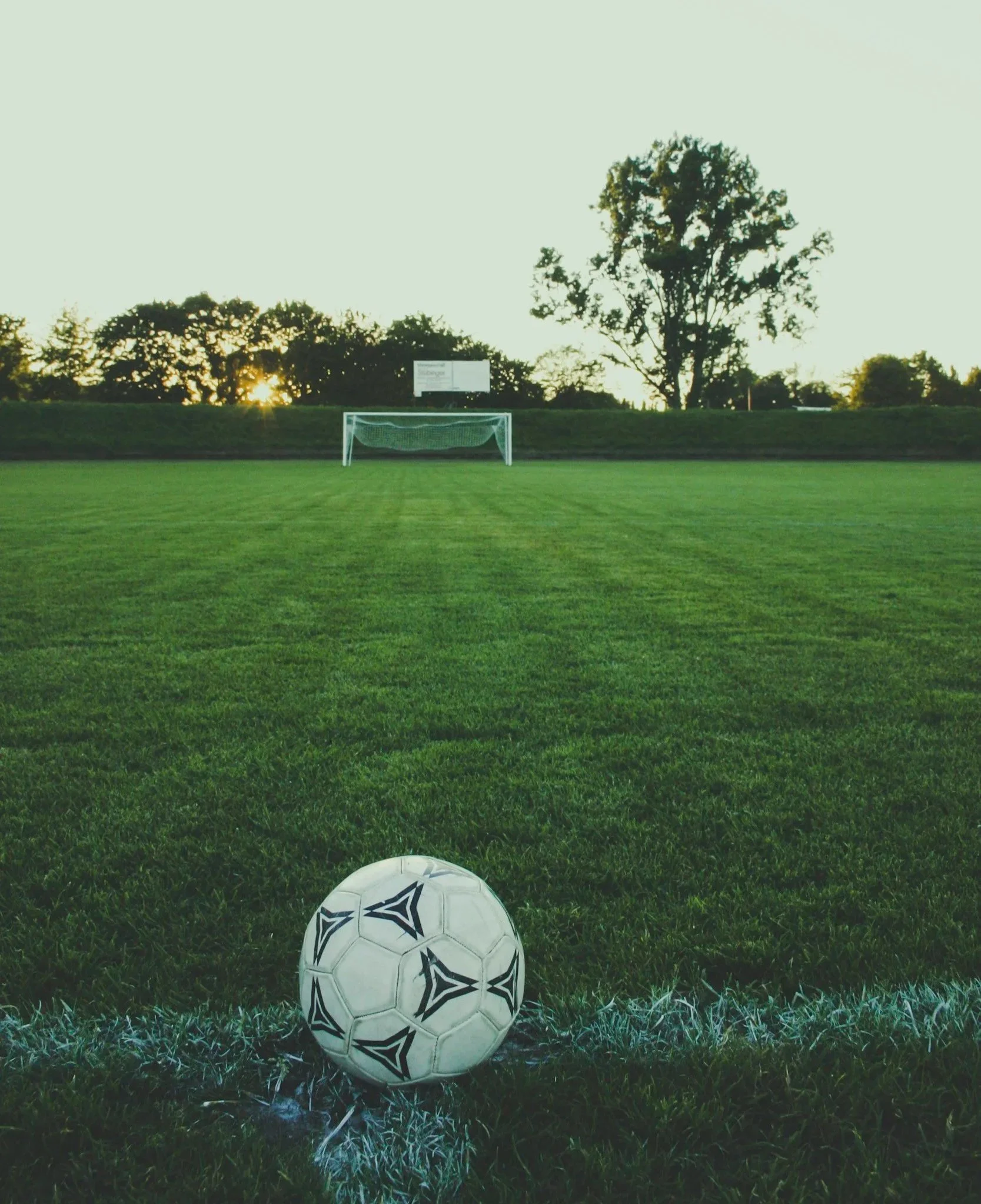
What Gets Passed On Anyway
The risk I keep returning to isn’t physical. It’s the risk of loving something so completely it becomes you. Of building an identity so fused with a sport, a team, a role — that when it ends, and it always ends, you don’t know who’s left.

Future of Sport in Canada Commission, Transforming Sport in Canada: Time for Action (2026) - Reflections
"I was in the room in September 2025. I was part of the consultation process. So when I read this report, I'm not just reading recommendations — I'm reading something that reflects what people actually experienced. That matters."
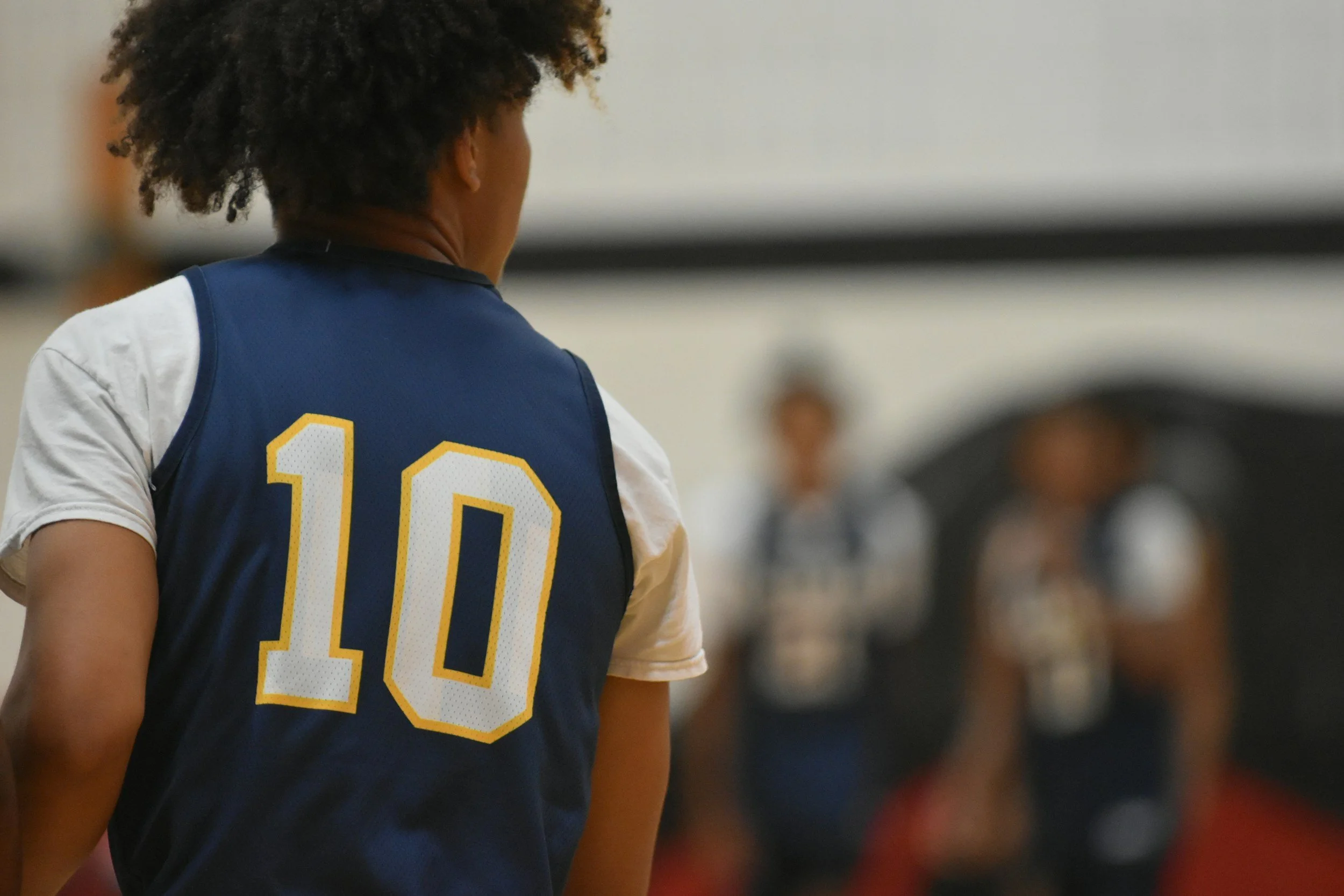
Protecting Young Athletes From Harmful Body Talk
"A teenager is cut from a team without warning. When they ask why, the answer they're given is about their body — their size, their weight. That kind of moment lands hard. Especially at 16, when sport isn't just something you do — it's part of how you understand yourself, how you value yourself."
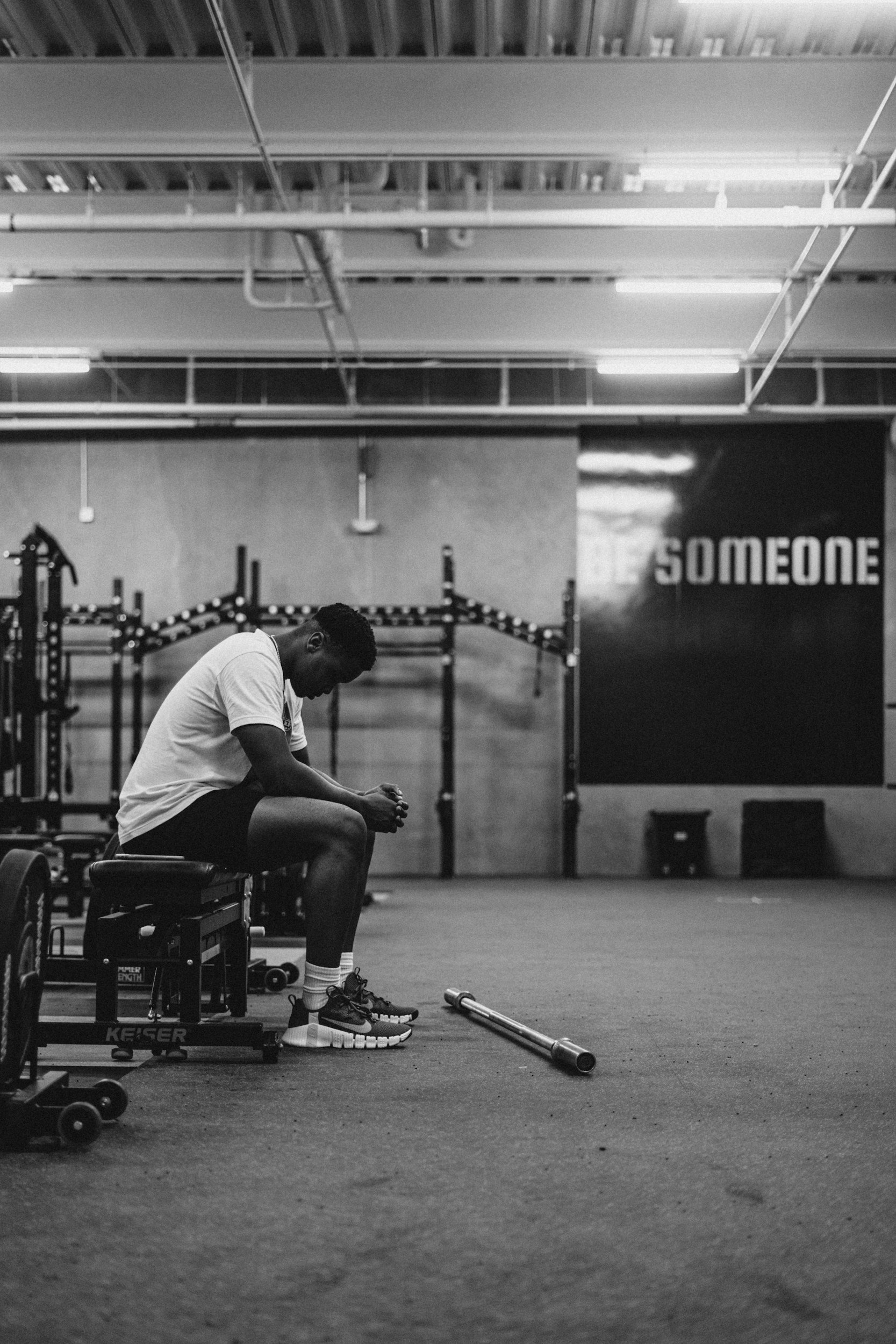
Context Isn’t Care: A Reflection on McGill University Sport Program Cuts
"For many student-athletes, sport isn't a nice-to-have. It's community, identity, regulation, structure, and often the reason they're able to stay engaged in school at all. So when programs disappear, it's not just a team that's lost — it's part of how they survive, belong, and move through their education."
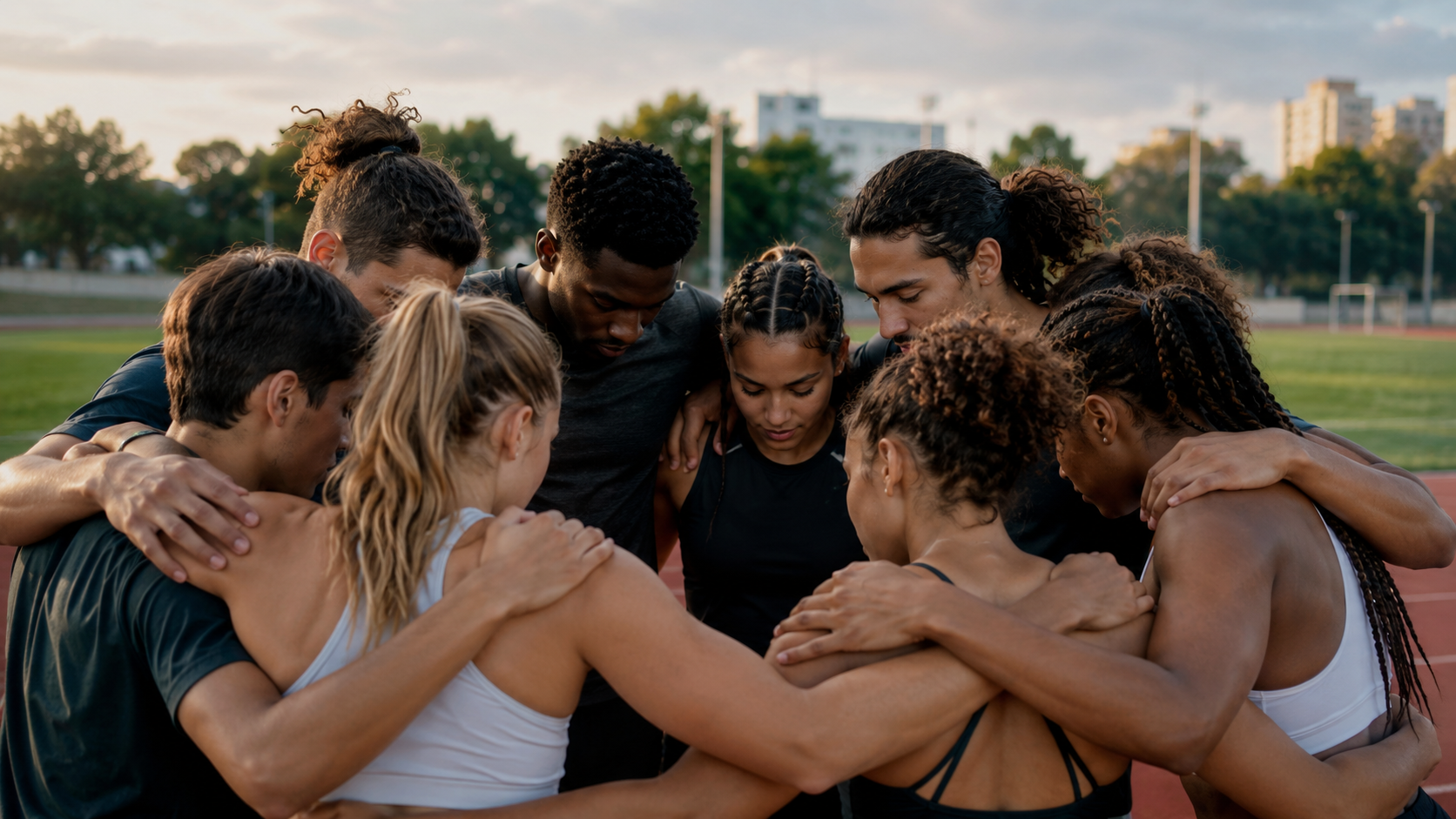
Finding Belonging: Culture, Visibility, and the Power of Representation in Sport
"When culture is stripped away, it often leaves behind uncertainty about who you are and where you belong. Sport, for many, is about belonging. But cultural and identity connection is an added layer of complexity that isn't always afforded equally to every student-athlete."
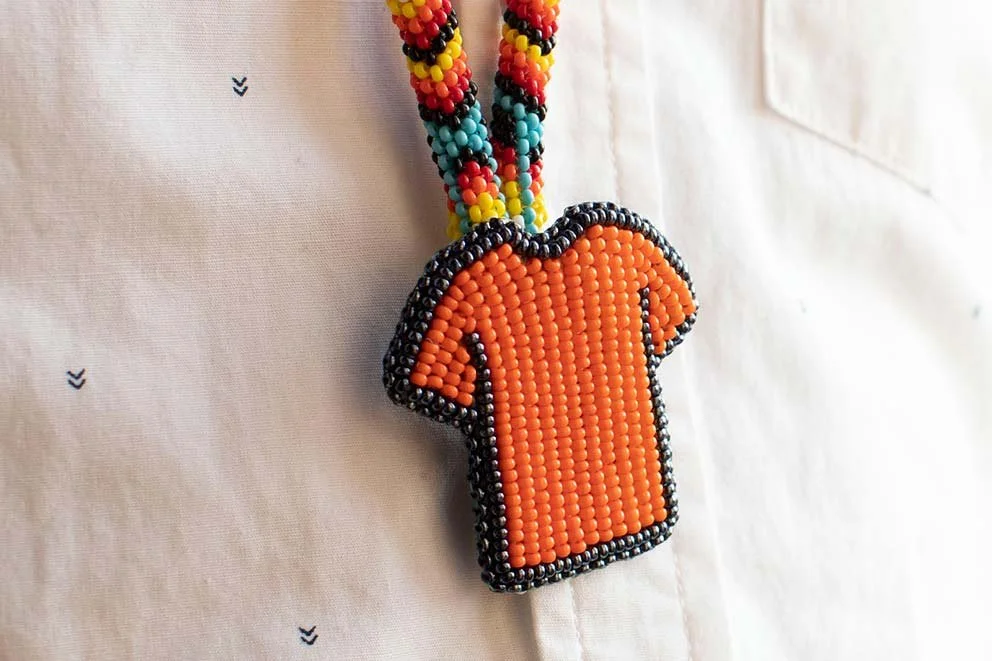
Truth and Reconciliation Day + Sport
"Residential schools often stripped away culture — sport was used as a tool to force assimilation. And yet, even in those spaces, sport sometimes became a site of resilience and resistance. Today, sport has the capacity not only to celebrate Indigenous culture and community, but to actively honour it."
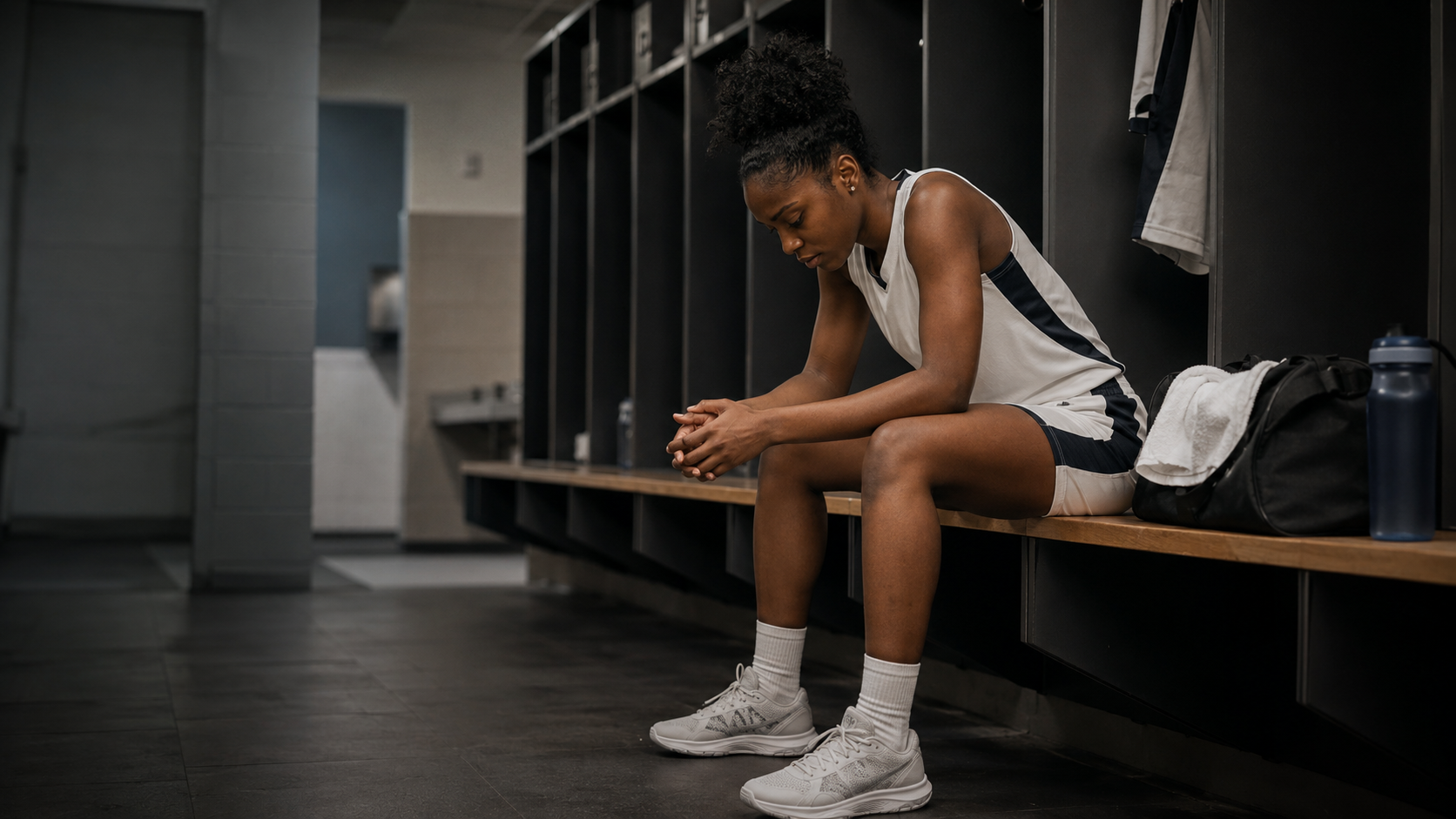
There’s No Playbook for What’s Next
"There's a silence that settles in after the game ends. It doesn't always show up right away. Sometimes it's masked by relief. Other times, it arrives fast and heavy: an abrupt absence where structure and identity used to be. And then come the questions: Who am I now? Where do I belong? Does any of it still matter?"
When Sport Moves on Without You
"There's a moment that many athletes don't talk about. Not in public, not even with the people they're closest with. The moment when you realize: the game has moved on. And no one's looking to see if you made it on the train."
Why Sport Needs Extending
"We celebrate athletes when they win, but we don't always show up for them when they're human. That gap — between performance and well-being, between who gets seen and who gets left behind — is what Sport ExtendED was built to address."